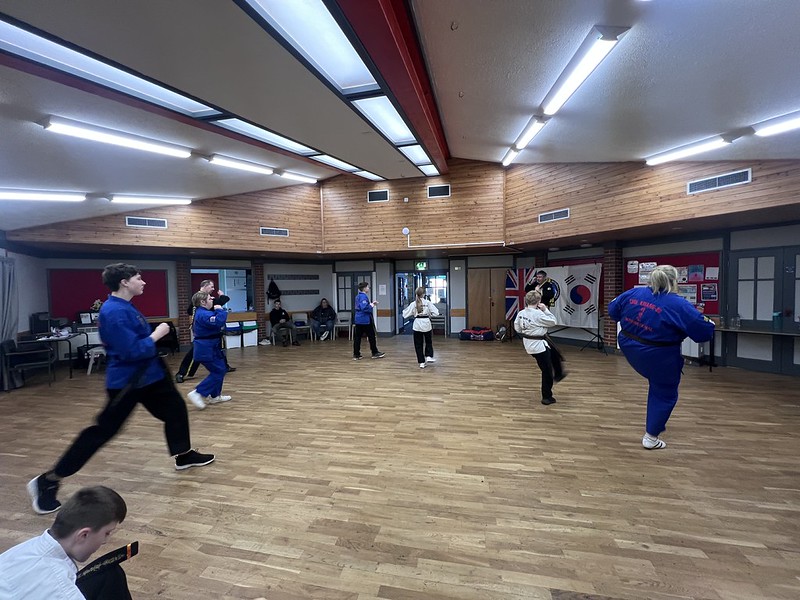
Under 10's
Choi Kwang Do
Choi Kwang Do for under 10's
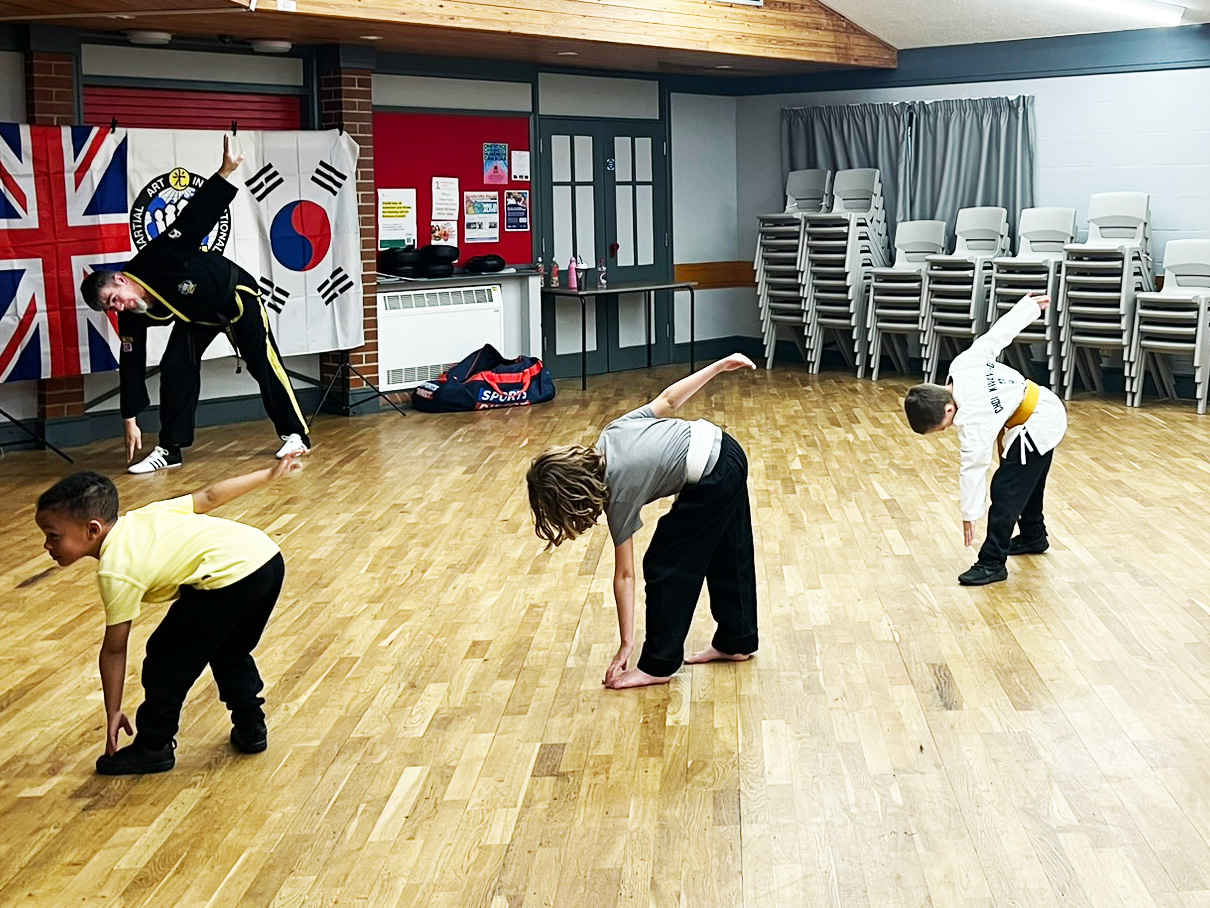
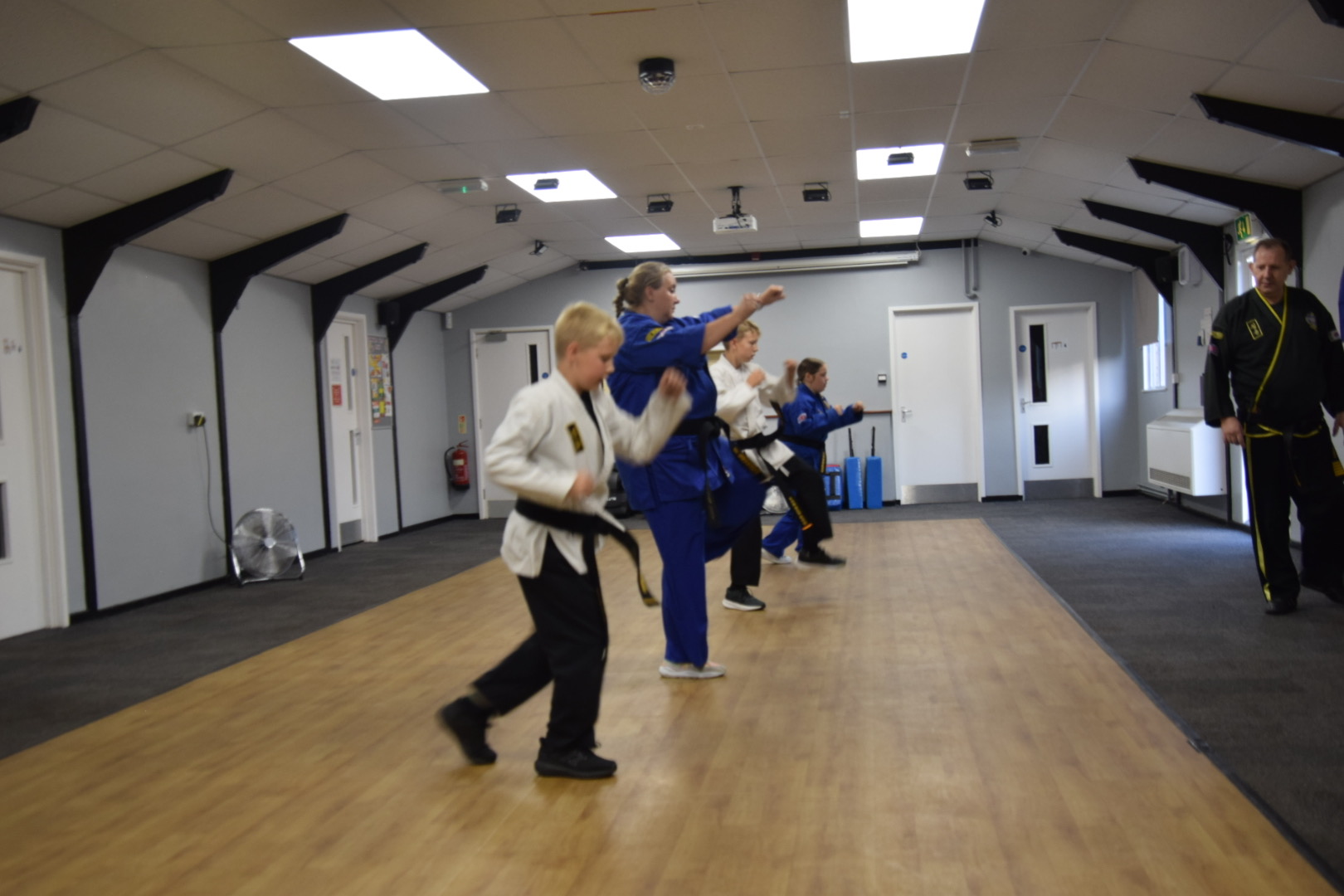
Choi Kwang Do is a brilliant martial art for children under 10, and its whole design is centred around safe, natural, non-aggressive movement. Here’s a clear breakdown of how it benefits younger kids:


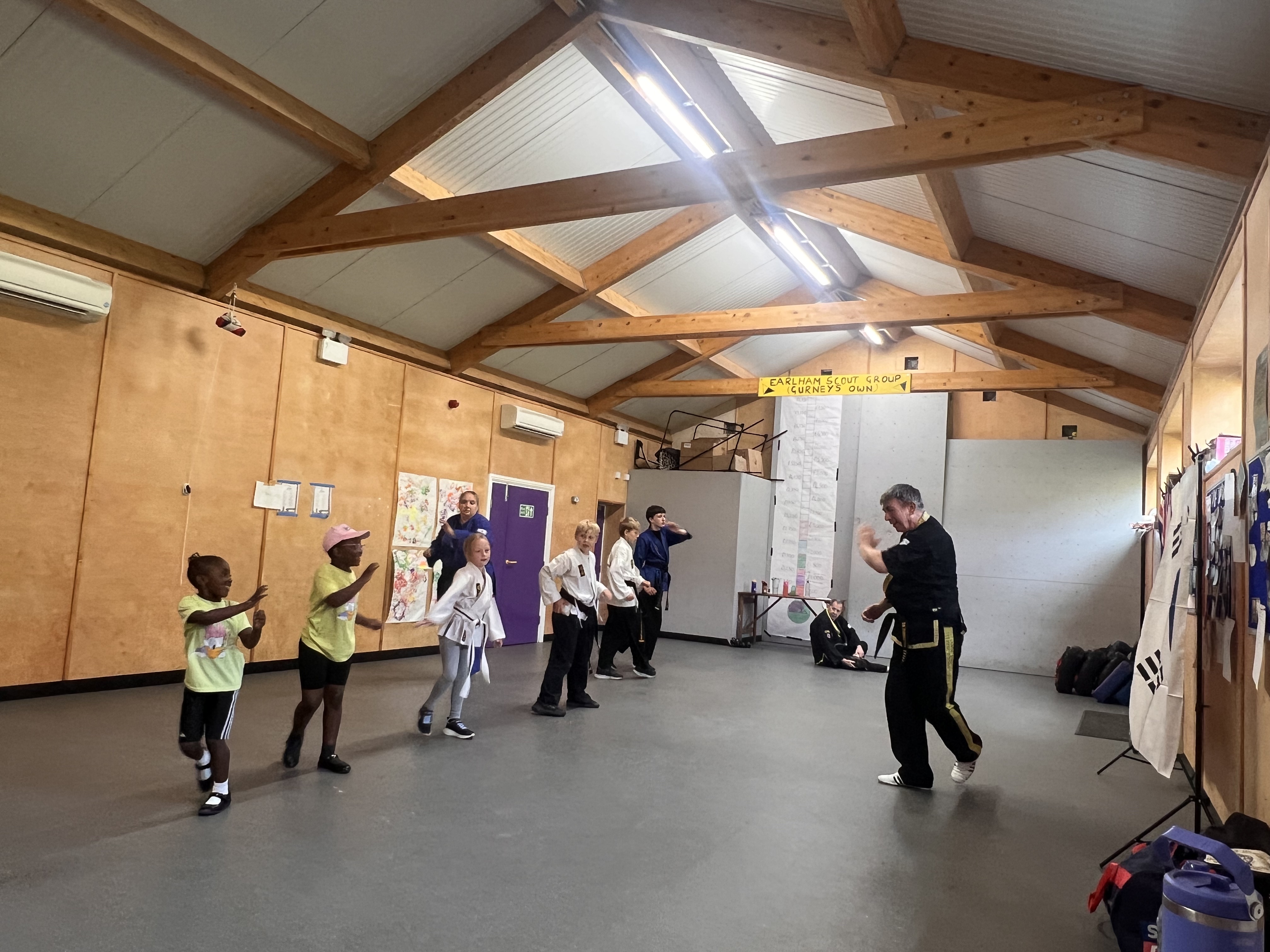
Repetition and Routine
Improved Focus and Attention
Boosts Self-Esteem and Confidence
Safe Social Interaction
🌟 Physical Benefits
Improved coordination & motor skills
Choi Kwang Do uses large, natural body movements that help young children develop balance, coordination, and spatial awareness.
Increased strength & flexibility
The techniques build core strength, posture, and flexibility without the high-impact stresses found in some other martial arts.
Cardiovascular fitness
Short bursts of movement keep kids active in a fun, engaging way—great for overall health.
🧠 Mental & Emotional Benefits
Better focus and concentration
Patterns (hyungs) and drills encourage kids to follow sequences, listen carefully, and stay focused.
Builds confidence
Children earn belts progressively, helping them see their own success. This boosts self-esteem and gives them a sense of achievement.
Stress relief
Classes are upbeat, helping kids release energy and reduce anxiety.
Physical Movement as a Calming Tool
Adaptable for Different Needs
No “One Size Fits All” Standard
Positive Role Models and Mentorship
🧘 Behavioural & Social Benefits
Encourages respect and discipline
Students learn to follow instructions, show courtesy, and work cooperatively—positive habits at home and school too.
Non-competitive approach
Choi Kwang Do doesn’t focus on sparring or fighting. This is great for kids who may be shy or anxious about physical confrontation.
Social skills and teamwork
Partner drills and group activities encourage communication and friendship.
🛡️ Safety Benefits
Teaches self-protection without aggression
Children learn how to stay safe, be aware of their surroundings, and avoid conflict—not how to fight.
Low-impact and joint-safe
Techniques are designed to be safe for growing bodies, reducing risk of injury.
Improved classroom behaviour
Greater emotional regulation
Better physical coordination
Stronger sense of belonging
Frequently Asked Questions
The minimum age we accept students is 5 years old.